Realism Tattoo Style
What defines the realism tattoo style?
The realism tattoo style aims to create a convincing impression of real light, volume, texture, and proportion on skin. Portraits should preserve the relationships that make a face recognizable. Animal fur should follow the form beneath it. Reflections on metal or water need consistent lighting. The goal is not to copy every pixel from a photograph, but to translate the visual evidence that makes the subject feel present.
Realism may be rendered in black and gray or full color. It can appear highly polished and photographic, softly cinematic, or combined with selective abstract elements. Whatever the direction, the foundation is accurate drawing and a controlled value structure. Without those, added details cannot rescue the likeness.
From art realism to modern tattooing
Realistic representation has deep roots in drawing, painting, and sculpture. Tattoo artists adapted techniques such as portrait construction, tonal modeling, atmospheric depth, and color mixing to a medium with unique limitations. Skin moves, pigment heals beneath the surface, and the image must follow a three-dimensional body.
Improvements in tattoo machines, needle configurations, pigments, photography, and reference preparation have helped artists create increasingly nuanced work. Contemporary realism includes memorial portraits, wildlife, cinema-inspired scenes, objects, landscapes, statues, eyes, and surreal combinations that remain believable even when the subject is imaginary.
Because the field is specialized, portfolios should be evaluated carefully. An artist who excels at black-and-gray animals may not be the right choice for a small color portrait. Look for healed work, consistent likeness, readable contrast, and designs that fit the anatomy rather than appearing pasted onto it.
Value, edges, and the illusion of depth
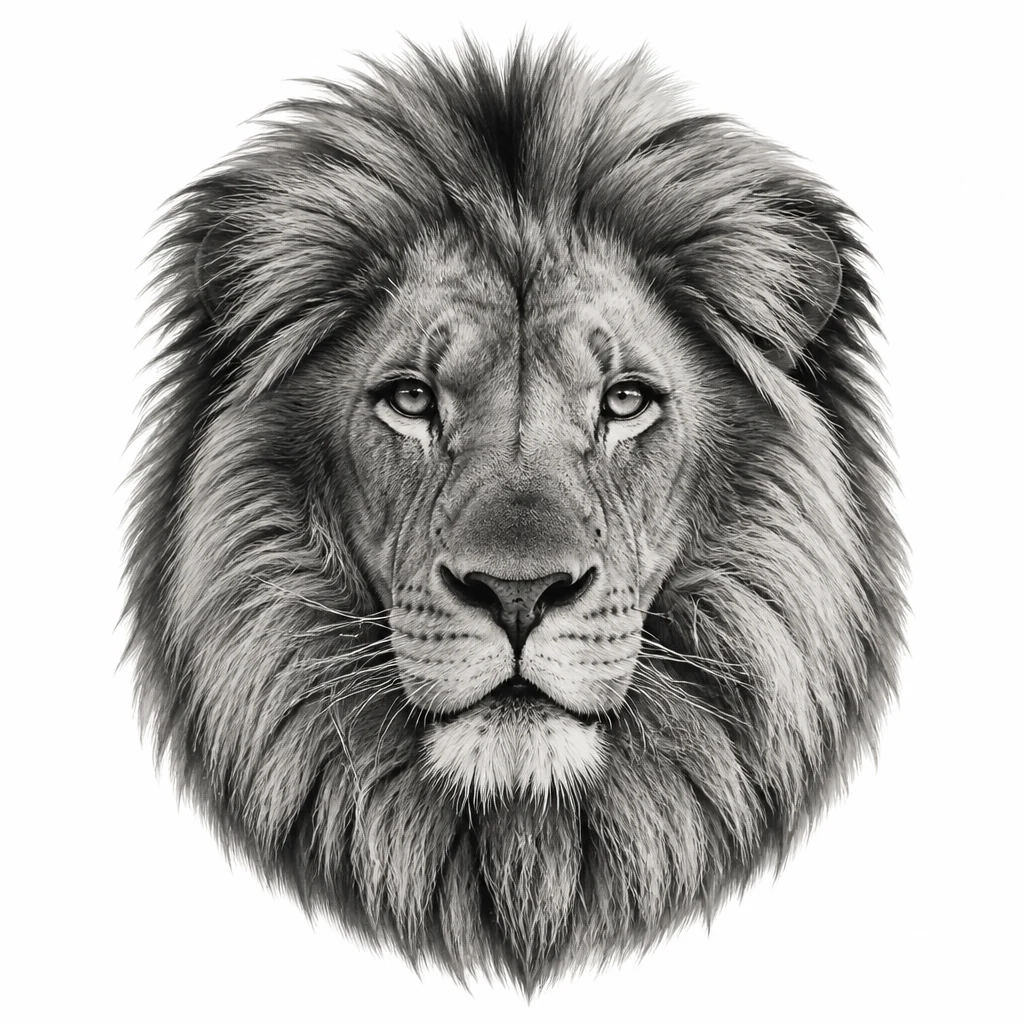
Realism depends on values: the pattern from the darkest dark to untouched skin. Strong images do not contain the same amount of detail everywhere. Sharp edges and high contrast pull the focal point forward, while softer transitions allow secondary areas to recede. This creates depth and keeps the tattoo from looking uniformly busy.
Artists often preserve highlights as open skin or apply very restrained light pigment where appropriate. Midtones connect the lights and shadows, describing cheeks, muscles, petals, clouds, or fur. The darkest accents establish pupils, nostrils, deep folds, and other structural anchors.
Texture follows form. Random lines do not become fur unless their direction explains the animal's anatomy. Wrinkles curve around a face, feathers overlap in an organized pattern, and reflective surfaces need crisp changes that match the light source. These choices matter more than adding thousands of tiny marks.
Choosing a strong reference image
Reference quality directly affects design quality. A good photo is sharp enough to show important features, has a clear light direction, and presents the subject from an angle suited to the body area. Extreme filters, clipped shadows, and heavily compressed images remove information the artist needs.
For a portrait, choose an expression that feels characteristic of the person rather than simply selecting the highest-resolution image. Memorial tattoos may require restoring an older photograph or combining several references. The artist should be transparent about what can be inferred and what cannot.
Copyright and consent also matter. Personal photographs are ideal when available. Celebrity photography, film stills, and another artist's finished tattoo should not be copied thoughtlessly. References can inform a new composition without reproducing someone else's artwork line for line.
Black-and-gray and color realism
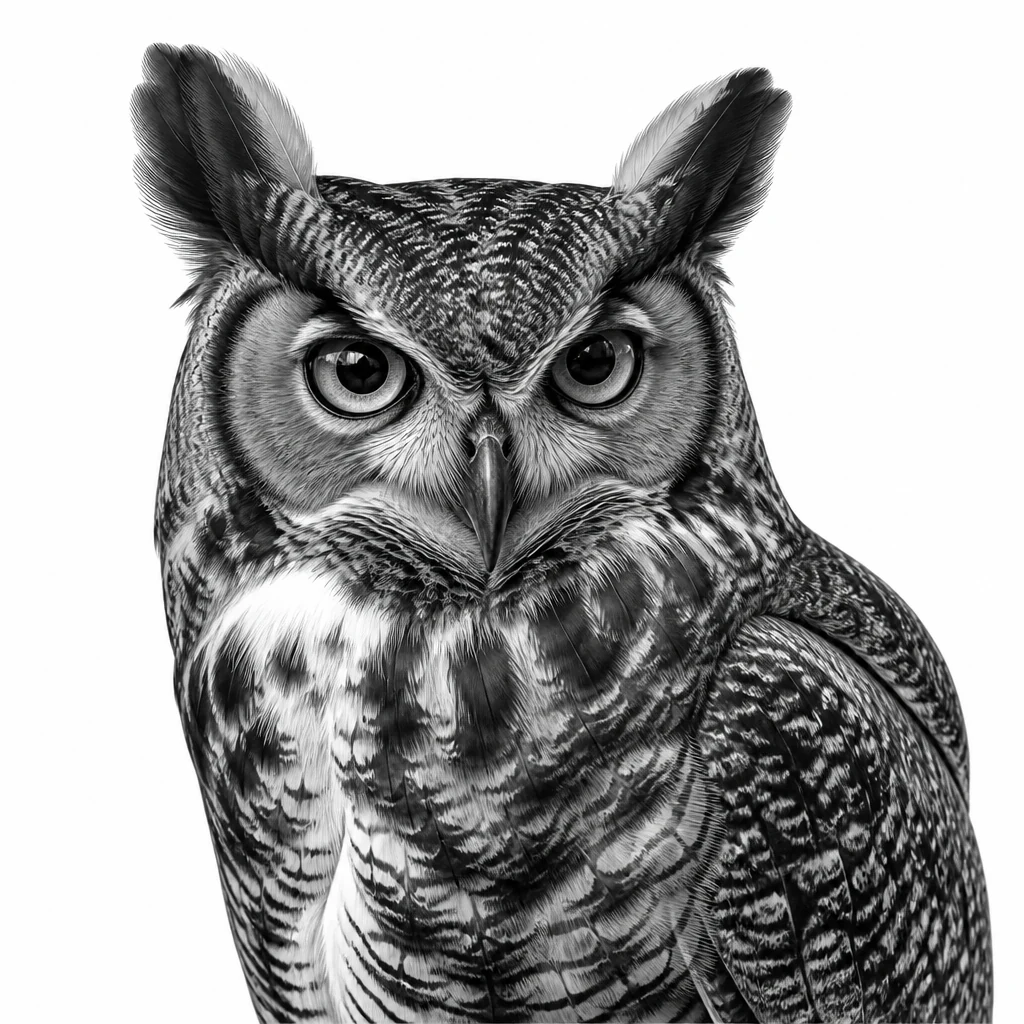
Black-and-gray realism uses value and temperature-like shifts in gray to create atmosphere. It is especially effective for portraits, statues, wildlife, and dramatic scenes. A well-planned piece includes enough open skin to maintain highlights and enough deep contrast to avoid a flat gray result.
Color realism adds relationships between warm and cool hues, reflected color, and subtle saturation. Natural skin tone becomes part of the palette. Bright pigments may appear more subdued after healing, so artists exaggerate or simplify certain color relationships to preserve the intended effect.
The best choice depends on the reference, mood, placement, and artist's strengths. A color flower can create a vivid focal point inside a black-and-gray scene, but mixed approaches need a clear reason and careful balance.
Scale, placement, and aging
Realism usually benefits from space. The upper arm, thigh, calf, chest, and back can accommodate gradual shading and important facial proportions. Curved placements are not a problem when the composition is designed for them; a portrait can wrap slightly around the arm while keeping the eyes readable from the main viewing angle.
Trying to fit a complex face into a very small area forces features too close together. As lines and tones settle, the likeness can lose clarity. Simplifying the crop, removing background elements, or increasing size protects the result.
All tattoos soften over time. Realism artists anticipate this with contrast, strategic edges, and areas of visual rest. Sun protection is particularly important because subtle tonal differences carry so much information.
Building a realism tattoo concept
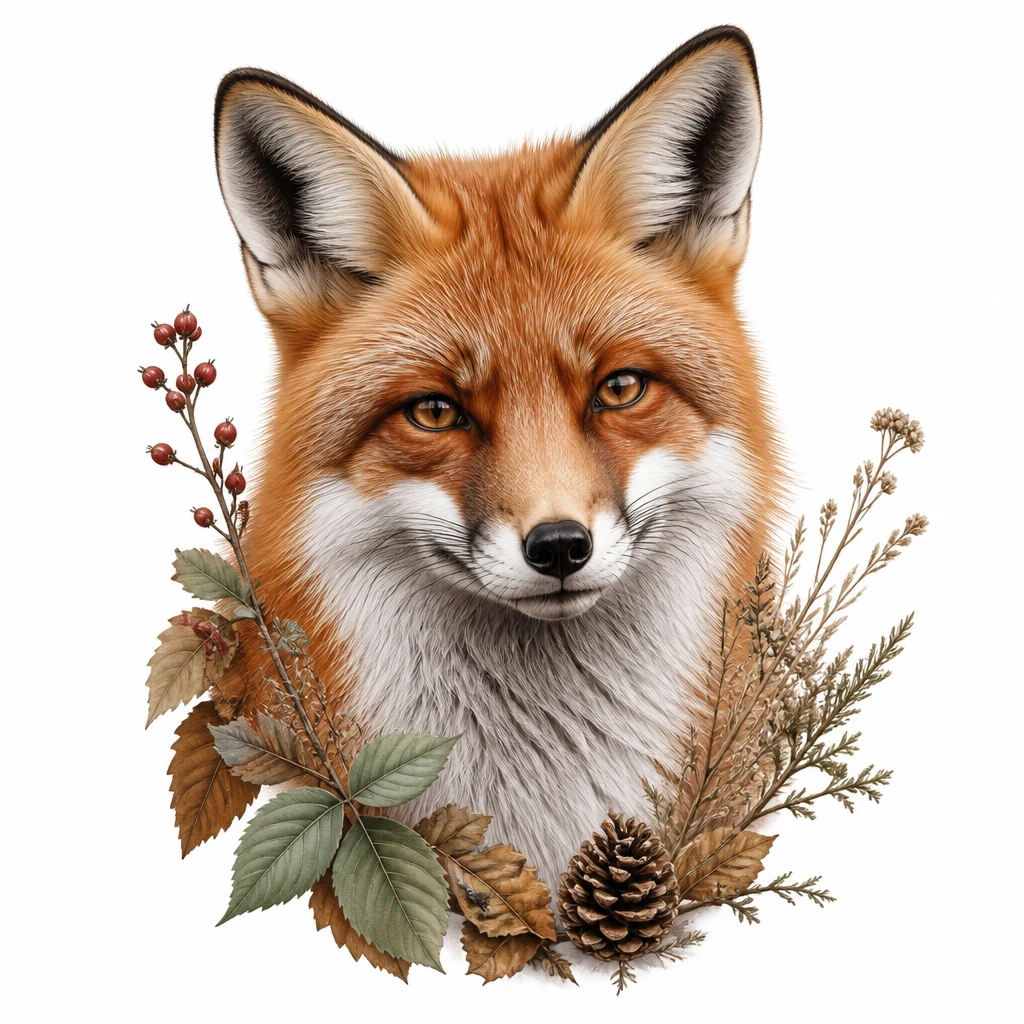
Start with the strongest possible reference and identify the emotional focal point. For a lion, it may be the eyes and the direction of light; for a family portrait, it may be the expression. Decide whether supporting flowers, landscapes, or objects clarify the story or distract from the likeness.
In the generator, select Realism and write a prompt such as “a close portrait of an owl turning toward the viewer, black-and-gray realism, sharp focus around the eyes, soft feather transitions, strong side lighting, oval upper-arm composition.” Generated concepts can help explore cropping, lighting, and arrangement, but they should not replace a reliable identity reference.
Bring the concept and original photos to a realism specialist. The artist will rebuild the image for skin, adjust values, and plan sessions appropriate to the scale. A successful realism tattoo style piece feels lifelike because it prioritizes structure, light, and emotion—not because every square inch contains equal detail.