Fine Line Tattoo Style
What defines the fine line tattoo style?
The fine line tattoo style is built around precision, restraint, and an appreciation for small details. Instead of relying on heavy outlines or large fields of solid ink, it uses thin contours, light stippling, and carefully measured gaps to describe a subject. The result can feel quiet and elegant, yet a successful fine line design is not merely a faint version of another tattoo style. It is a deliberate visual language in which every mark needs a reason to exist.
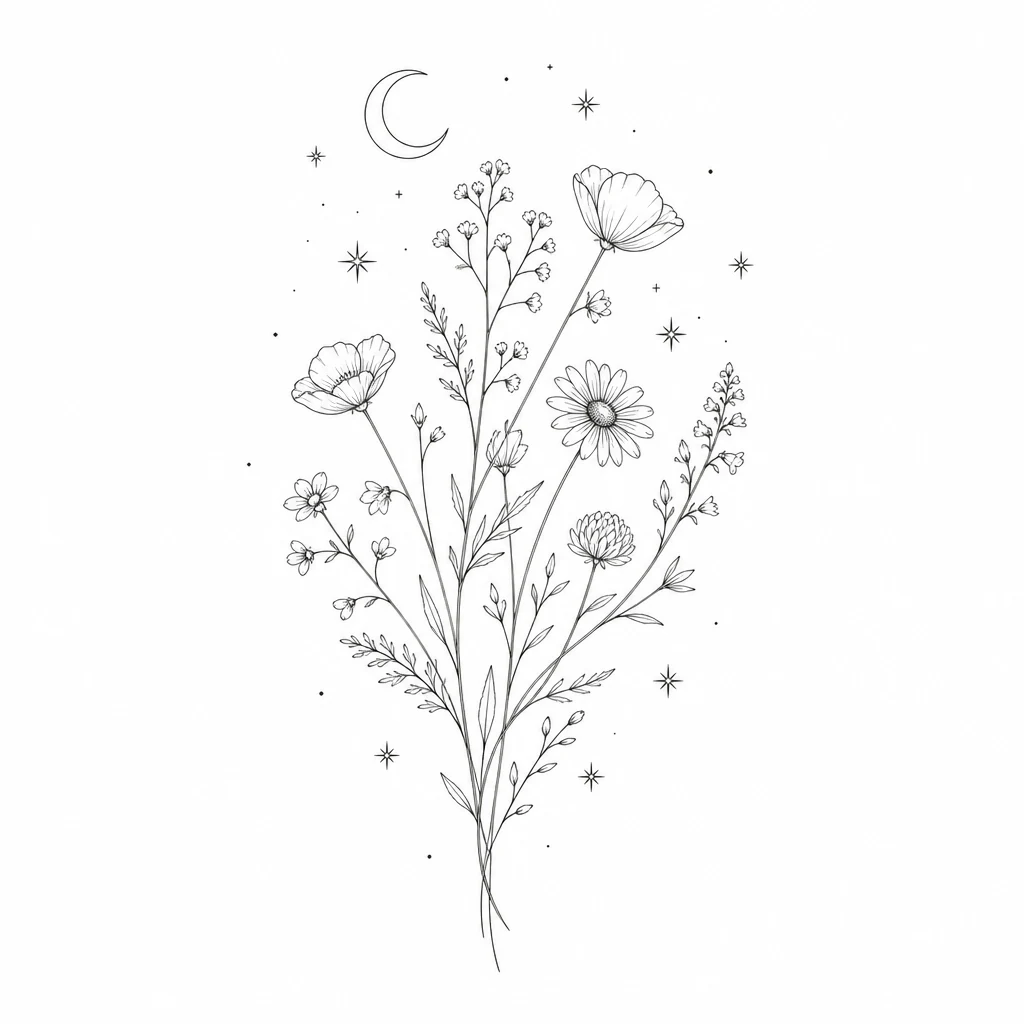
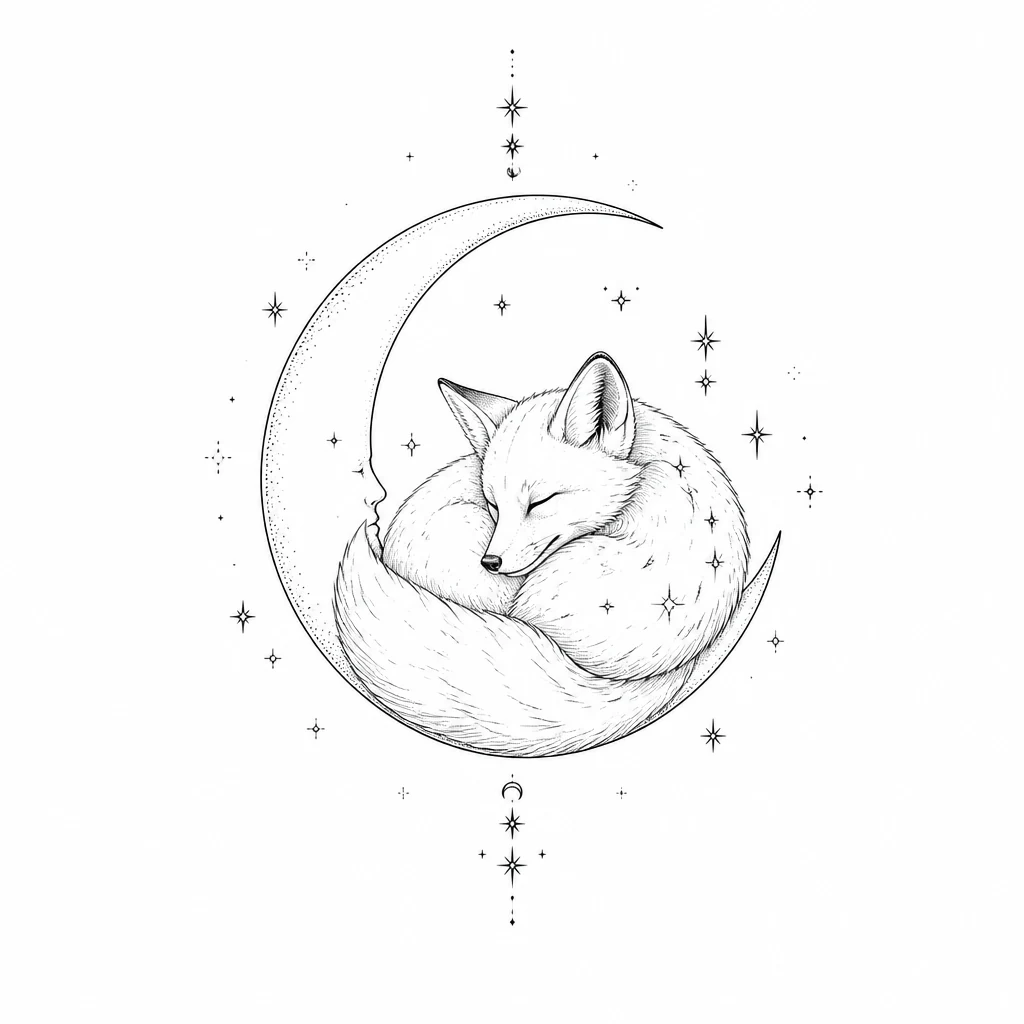
Fine line tattoos often appear simple from a distance and reveal more information when viewed closely. A flower might be defined by a few confident stems and translucent-looking petals. An animal portrait may use a clean silhouette, selective fur texture, and only enough shading to suggest depth. This balance makes the style attractive to people who want a personal image that integrates gently with the body rather than dominating it.
From single-needle roots to contemporary studios
Modern fine line work is frequently associated with single-needle tattooing, particularly the detailed black-and-gray tattoos that developed in Southern California. Contemporary artists have expanded that foundation with small needle groupings, improved machines, and a broader range of subjects. Botanical illustration, fashion drawing, scientific engraving, and minimalist graphic design all influence the work seen in studios today.
Technique matters, but needle count alone does not define the style. A tattoo can be made with a very small grouping and still look crowded, while another created with several configurations can maintain a delicate finish. What matters is the complete system: line weight, spacing, scale, contrast, and how the design is adapted to skin.
Signature lines, texture, and negative space
Fine line designs usually keep the outline light and consistent, although a subtle hierarchy of line weights can make an image easier to read. The outer silhouette may be slightly stronger than interior details. Tiny dots can create soft shadows, while short hatching marks describe feathers, leaves, fabric, or fur without filling the form completely.
Negative space is especially important. Skin left untouched separates nearby details and prevents an intricate design from becoming a gray patch as it settles. This is why a good artist may recommend enlarging a concept or removing decorative elements. More detail is not automatically better; clarity is the real measure of quality.
Fine line work is most commonly black or black-and-gray, but small areas of restrained color can work when they support the composition. Muted red, blue, or green accents may direct attention without changing the refined character of the design.
Popular fine line tattoo ideas
Natural subjects are a natural match for this approach. Wildflowers, herbs, moths, butterflies, birds, shells, and celestial forms all have recognizable structures that can be simplified into clean contours. Portraits and pets are also popular, but they require enough scale to preserve important facial relationships.
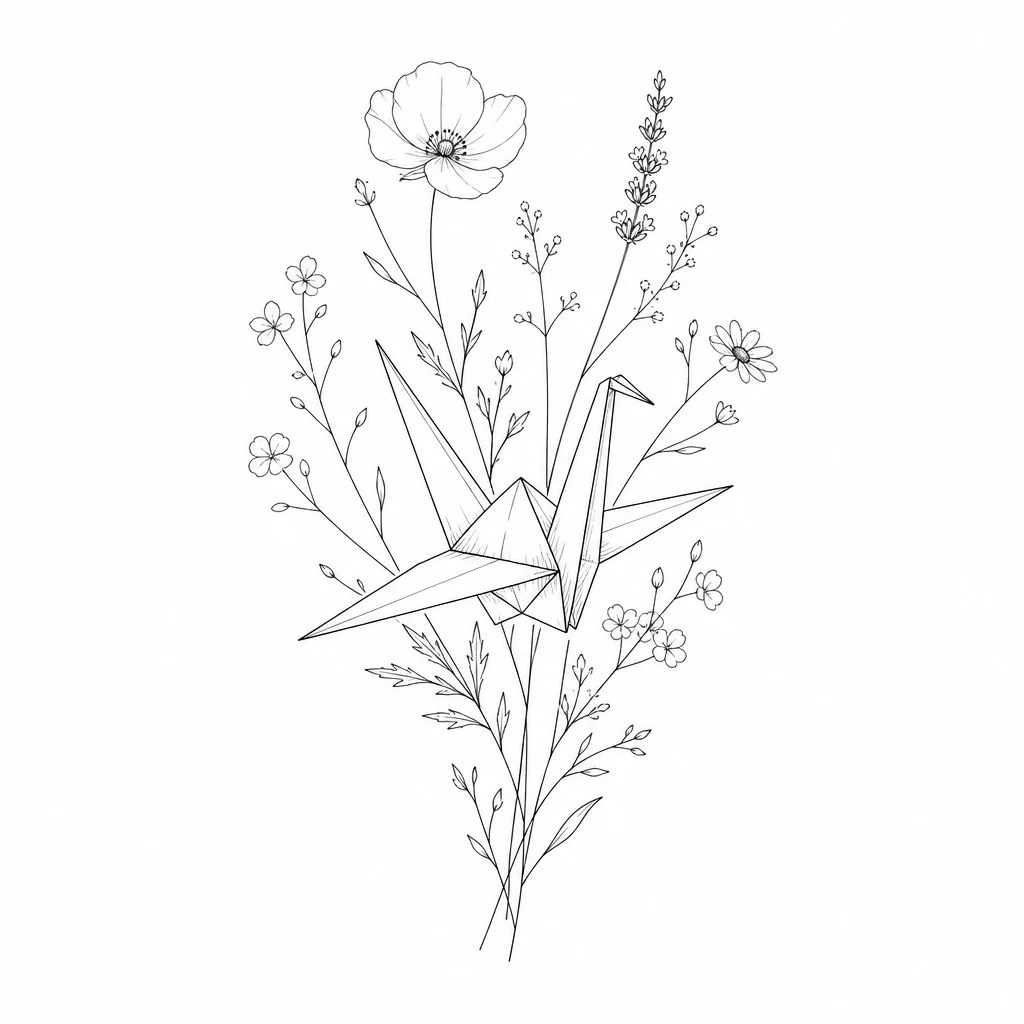
Other strong directions include architectural landmarks, maps, ornamental frames, abstract continuous-line figures, and meaningful objects. The most effective fine line tattoo ideas focus on one clear subject and a limited number of supporting elements. For example, a crane can be paired with two stems and a small sun rather than an entire landscape. That restraint lets the focal point breathe.
Symbolism can remain personal without becoming literal. A native flower may represent home, a constellation can mark a date, or a small animal can communicate a quality the wearer values. Fine line style gives these ideas room to feel intimate.
Scale, placement, and long-term clarity
Because the style depends on small marks, size and placement should be decided together. Flat or gently curved areas such as the forearm, upper arm, shoulder blade, thigh, and calf provide a stable canvas for detailed compositions. Wrists, fingers, feet, and other high-movement areas can still work, but they may require simpler designs and more realistic expectations about touch-ups.
The tattoo should also follow the body's direction. A vertical botanical can lengthen the forearm, while a wider celestial scene may sit naturally across the shoulder blade. Leaving a comfortable margin around the design helps it feel intentional rather than squeezed into an available gap.
Fine line tattoos do change as skin changes. Lines settle and become slightly softer. An experienced artist anticipates this by avoiding microscopic gaps, protecting the most important contours, and choosing a scale that allows the image to remain legible.
Creating a better fine line concept
Begin with the subject and the feeling you want, then decide which details are essential. Describe the focal object, one or two supporting motifs, the desired mood, and the general shape of the composition. Words such as airy, botanical, celestial, balanced, or symmetrical can help define the direction more effectively than asking for “lots of detail.”
When using the tattoo generator, choose Fine Line and keep the prompt visually specific: “a crane in flight with two wildflower stems, delicate contour lines, restrained stippling, and generous negative space.” Generate a few compositions, compare their silhouettes, and save the strongest idea for discussion with a tattoo artist. The final artist should redraw and adjust it for your anatomy, preferred size, and the realities of healed skin.
The best fine line tattoo style designs feel effortless because the planning is disciplined. Clear hierarchy, confident spacing, and a meaningful focal point allow a small number of delicate marks to carry lasting visual impact.